


Ebola Virus Disease: Frequently Asked Questions for the General Public
What is Ebola disease?
Ebola disease is a rare, severe and often fatal disease caused by viruses of the genus Orthoebolavirus. It occurs primarily in sub-Saharan Africa.
The virus spreads from person to person through direct contact with infected blood or bodily fluids. The first documented outbreak of Ebola disease was reported in 1976 in the area now known as the Democratic Republic of Congo.
What are the signs and symptoms of Ebola disease?
Ebola disease typically begins suddenly with fever, headache, fatigue, muscle pain and sore throat. After a few days, gastrointestinal symptoms such as nausea, vomiting and diarrhoea commonly develop. Some patients may go on to develop a rash, cough, shortness of breath, red eyes, hiccups, and impaired kidney or liver function. In more severe cases, internal and external bleeding can occur. The case fatality rate varies widely, ranging from approximately 25% to 90%, depending on the virus species, the patient’s age and other factors.
How is it spread?
Ebola disease primarily spreads through close contact. Transmission risk is highest with direct exposure to body fluids, including during close-range care or direct contact with the body fluids of an infected, sick or dead person. These fluids include blood, faeces, vomit, sweat and saliva. Infection occurs when these fluids enter the body through broken skin or mucous membranes such as the eyes, nose, or mouth. This most often happens when caring for a patient or handling the body of someone who has died from Ebola disease.
The virus can also spread through contact with objects contaminated with infectious body fluids, such as needles, clothing, or other materials. In addition, certain burial practices that involve direct contact with the body or body fluids of an infected person can facilitate transmission. In rare cases, Ebola disease has been transmitted sexually from male survivors, as the virus can persist in semen for some time after recovery. Infection from animals, such as bats or non-human primates, may occur in countries where the virus is present in wildlife.
Importantly, infected people are only infectious once symptoms appear and it is not spread during the incubation period before symptoms begin.
What is the incubation period?
The incubation period (the interval between being in contact with an infected person and developing symptoms of disease) ranges from 2 to 21 days.
Is there an Ebola outbreak at the moment?
Yes, there is a large outbreak of Ebola disease centred in DRC and affecting Uganda. On 17/5/2026, the World Health Organization (WHO) declared the outbreak a Public Health Emergency of International Concern (PHEIC).
Ebola can be caused by different strains of virus. The most serious type is Zaire ebolavirus. The current outbreak is caused by a particular Ebola strain — the Bundibugyo strain.
There are currently no specific treatments available for Bundibugyo virus disease. At present, treatment mainly consists of supportive medical care, including hydration, management of symptoms, and careful infection prevention and control measures.
Is there a vaccine available?
Two vaccines are licensed in several countries against Ebola disease caused by Zaire ebolavirus. However, there are currently no licensed vaccines against Bundibugyo virus disease or against Ebola disease caused by other ebolavirus species. Research on treatments and vaccines against Bundibugyo virus disease is ongoing.
Are people in Ireland at risk of Ebola disease?
The risk to people in Ireland is very low. The European Centre for Disease Prevention and Control (ECDC) assesses the risk to people in the EU/EEA, including Ireland, as very low, even during ongoing outbreaks. Ebola disease (including Bundibugyo virus disease (BVD), Zaire, Sudan and other strains) is not easily spread, it requires direct contact with the blood or other body fluids of someone who is sick or has died from the disease. The likelihood of a case being imported into Ireland is very low, and public health systems are prepared to identify and manage any suspected cases.
Travel Advice
What should I do when returning to Ireland from an area where the outbreak is occurring?
If you are returning to Ireland from an Ebola-impacted area, monitor your health for 21 days. Seek immediate medical attention by phone and inform healthcare providers of your travel history and possible contact with Ebola if you develop any symptoms—such as fever, severe headache, or unexplained bleeding—within this time frame.
While cases have currently been reported in a smaller number of countries, the situation continues to develop and the WHO has assessed the risk to neighbouring countries currently as ‘High’. People travelling to neighbouring countries of those areas currently impacted should also monitor their health for a period of 21 days after leaving countries neighbouring the currently impacted area and seek medical advice by phone if concerned about any symptoms as described above.
What should I do if I have been to an affected area and had contact with someone who may have Ebola?
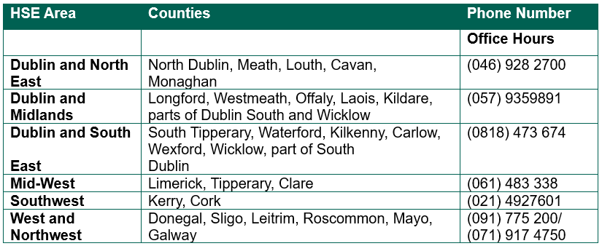
If you have been in an affected area and you had known contact with an Ebola patient or the remains of someone who died of Ebola, you should contact your Regional Department of Public Health (see below) who will advise you to monitor your health in the 21 days after your exposure, and advise on any other measures you may need to take.
I’m a humanitarian aid worker, healthcare worker or NGO staff member - what should I do when returning to Ireland from an area where the outbreak is occurring?
If you are a humanitarian aid worker, healthcare worker, NGO staff, or deployed via an official agency, before you travel to the affected area, register your deployment and return details with the HSE Health Protection Surveillance Centre (HPSC) so that Public Health can assess your risk and follow-up with you accordingly. See advice for returning aid workers.
What is the current travel advice?
The Department of Foreign Affairs and Trade (DFAT) provides country by country regularly updated guidance.
Irish citizens travelling to or currently in Ebola affected areas are advised to register with the DFAT so the Irish Embassy can provide updates and assistance if needed.
How can I protect myself when travelling to an area where the outbreak is occurring?
People travelling to or living in affected countries should take the following measures:
- Avoid contact with people who are symptomatic and/or their body fluids;
- Avoid contact with bodies and/or bodily fluids from those who are deceased;
- Avoid contact with wild animals (including monkeys, forest antelopes, rodents and bats), both alive and dead, and the consumption of ‘bush meat’;
- Wash hands regularly, using detergents or antiseptics;
- Check your travel insurance plan and ensure that medical evacuation is covered in the event of illness.
Last updated: 5 June 2026